NVIDIA GeForce RTX 50 Series Hotspot Sensor: Still Present, But Hidden
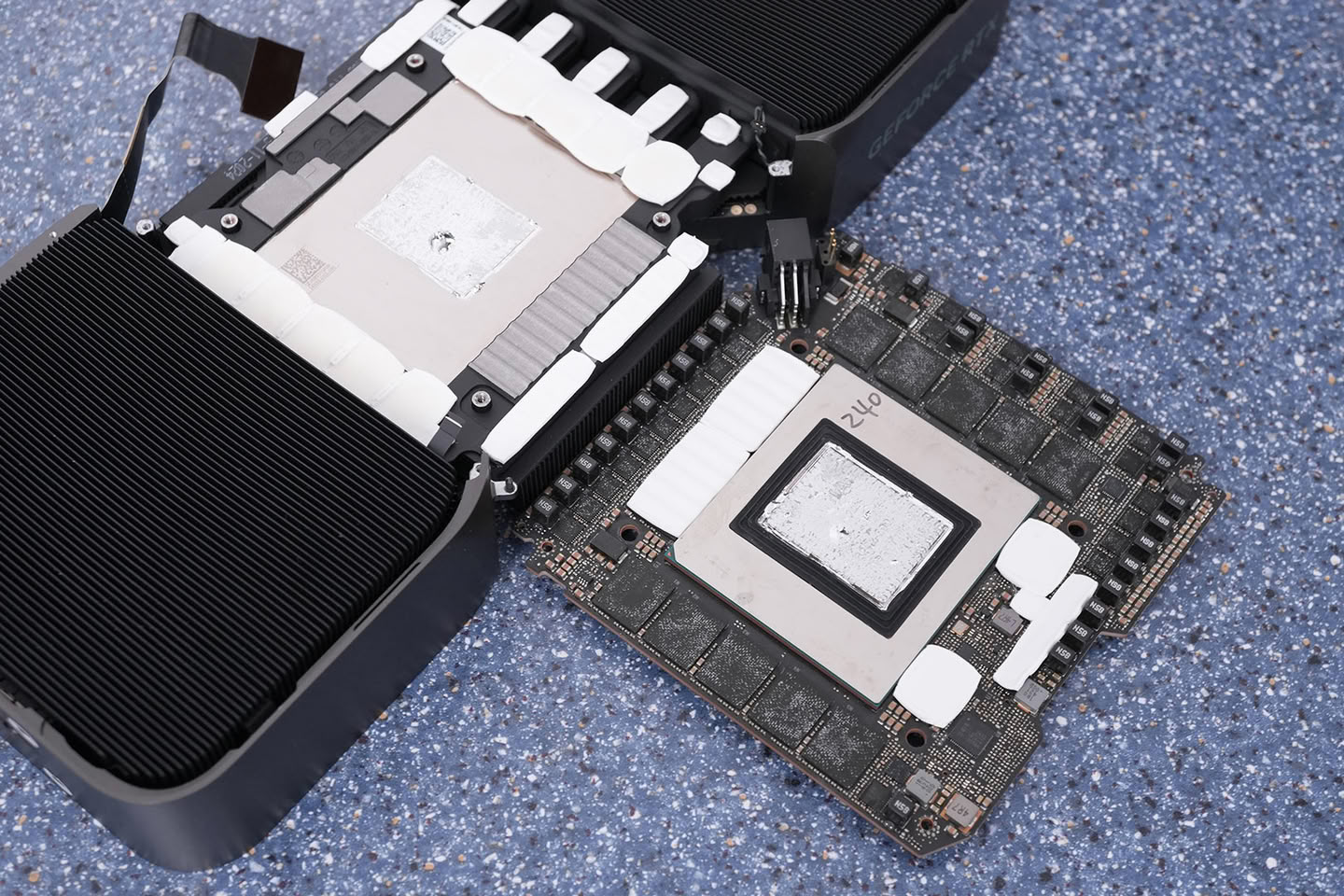
Recent findings reveal that the hotspot temperature sensor on NVIDIA’s GeForce RTX 50 series “Blackwell” GPUs has not been permanently removed, despite initial reports. While the sensor’s data is no longer accessible through public APIs, it remains physically present on the hardware. Access to this sensor is possible using NVIDIA’s internal Modular Diagnostic Software (MODS), a tool reserved for the company’s own testing labs and not available to the general public.
MODS Tool Unlocks Hidden Sensor Data
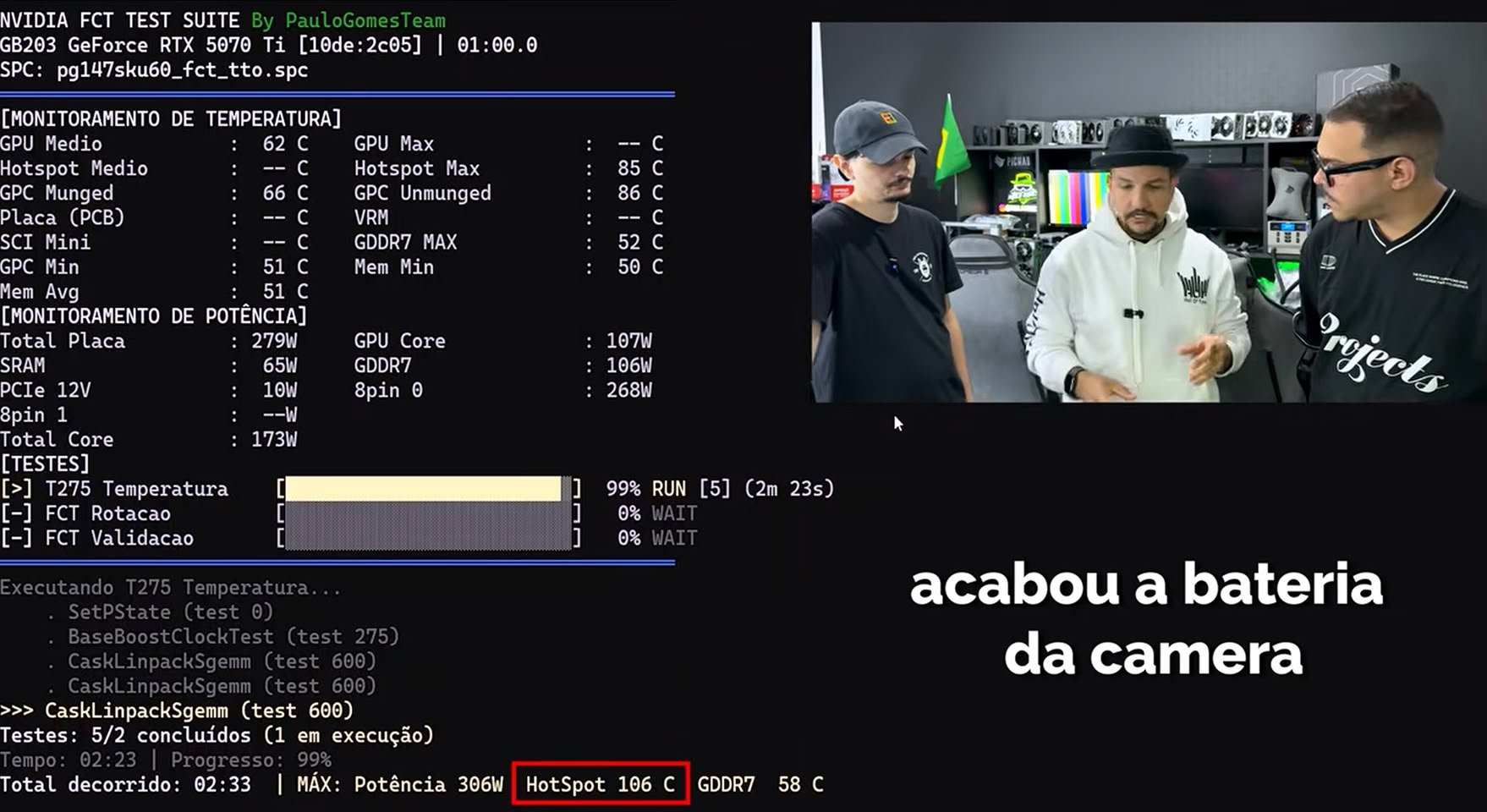
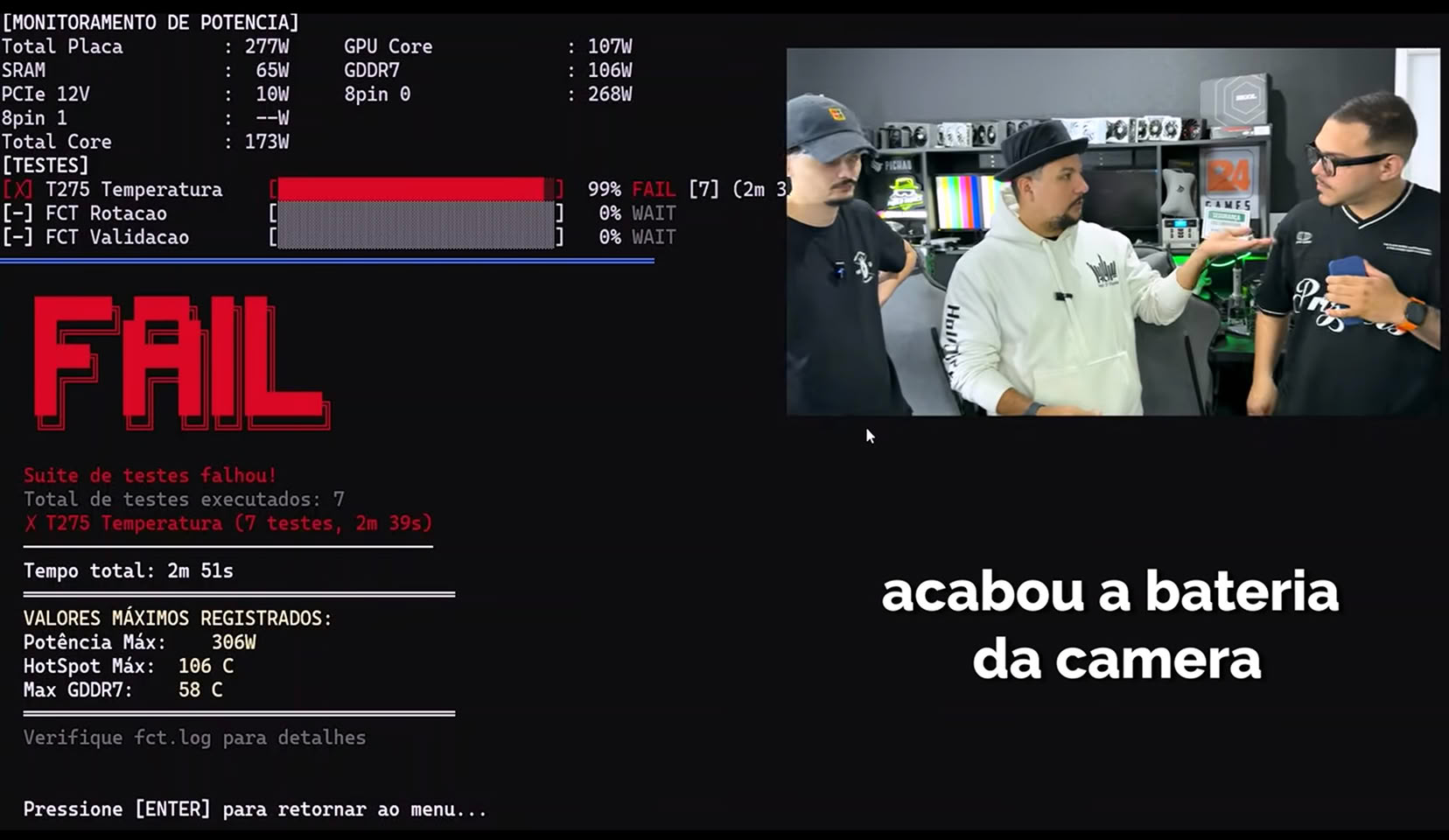
Brazilian repair specialist Paulo Gomes has demonstrated that the MODS tool can still retrieve hotspot temperature readings from the latest RTX 50 series graphics cards. This internal software, designed for diagnostic and repair purposes, requires a bootable Linux environment and specific packages, making it inaccessible for most enthusiasts and end users. Some versions of MODS have reportedly circulated among professional repair technicians, but its use remains highly specialized.
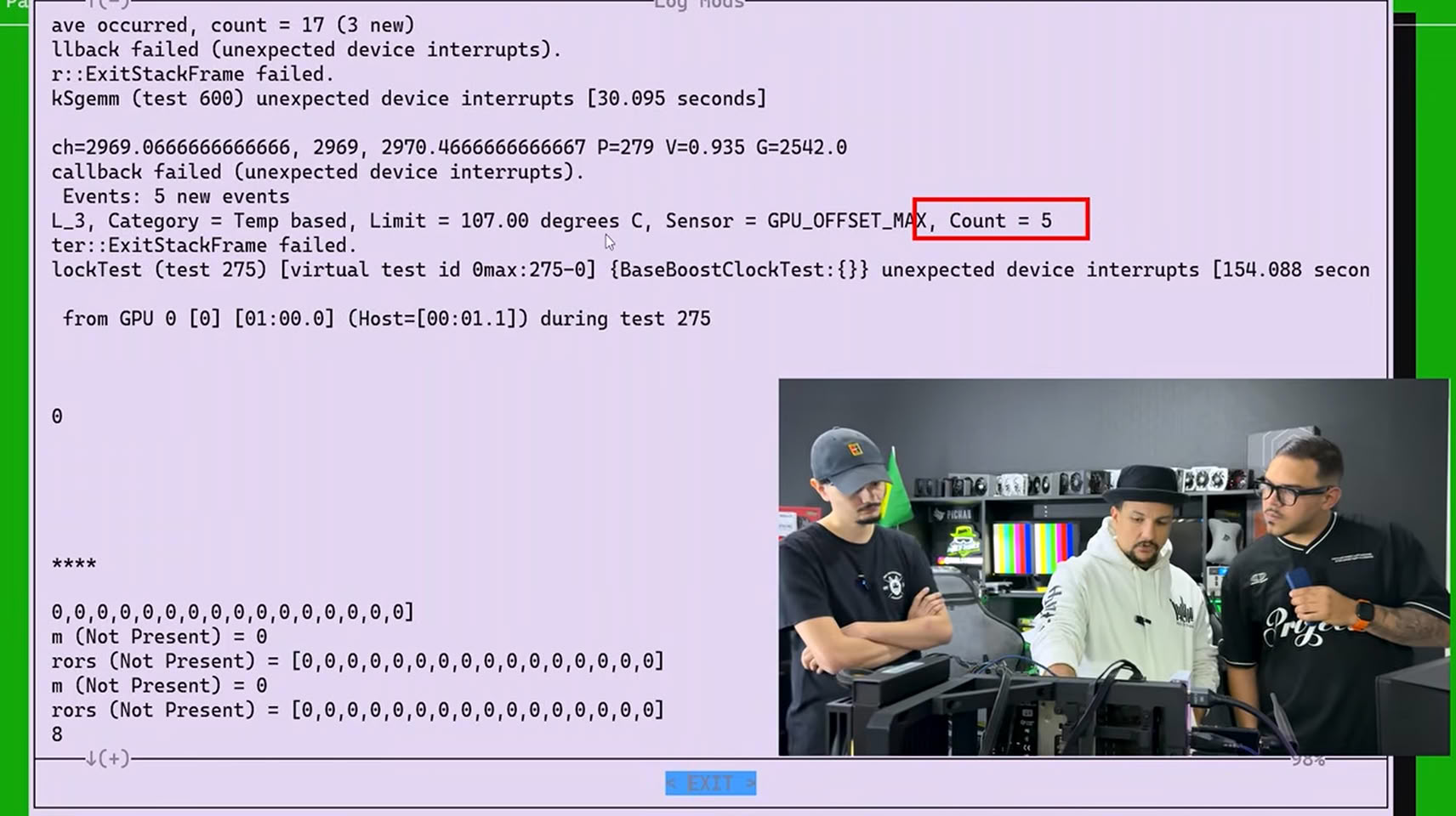
During a recent repair session, technicians used MODS to connect remotely and analyze a GIGABYTE GeForce RTX 5070 Ti. The tool revealed that the GPU’s thermal hotspot limit of 107°C had been reached five times in certain areas of the die, even though the average GPU temperature was only around 68°C. This discrepancy highlights the importance of hotspot monitoring: while average temperatures may appear normal, localized overheating can still occur and lead to hardware issues.
Implications for GPU Diagnostics and Repairs
The absence of public hotspot sensor readings on the RTX 50 series has made it more challenging for users and technicians to diagnose specific thermal issues. In previous generations, such as the GeForce RTX 40 series “Ada Lovelace,” hotspot temperature data was readily available, providing valuable insights into cooling performance and potential problems like misaligned coolers or water blocks.
NVIDIA has maintained access to overall “GPU Temperature” and “Memory Temperature” metrics, which continue to offer a general overview of thermal performance. However, the lack of hotspot data in consumer-facing tools means that certain localized issues may go undetected without specialized diagnostic equipment.
These findings underscore the ongoing importance of comprehensive thermal monitoring in modern GPUs. While NVIDIA’s internal tools can still access detailed sensor data, the broader community currently relies on the available temperature metrics for maintenance and troubleshooting.