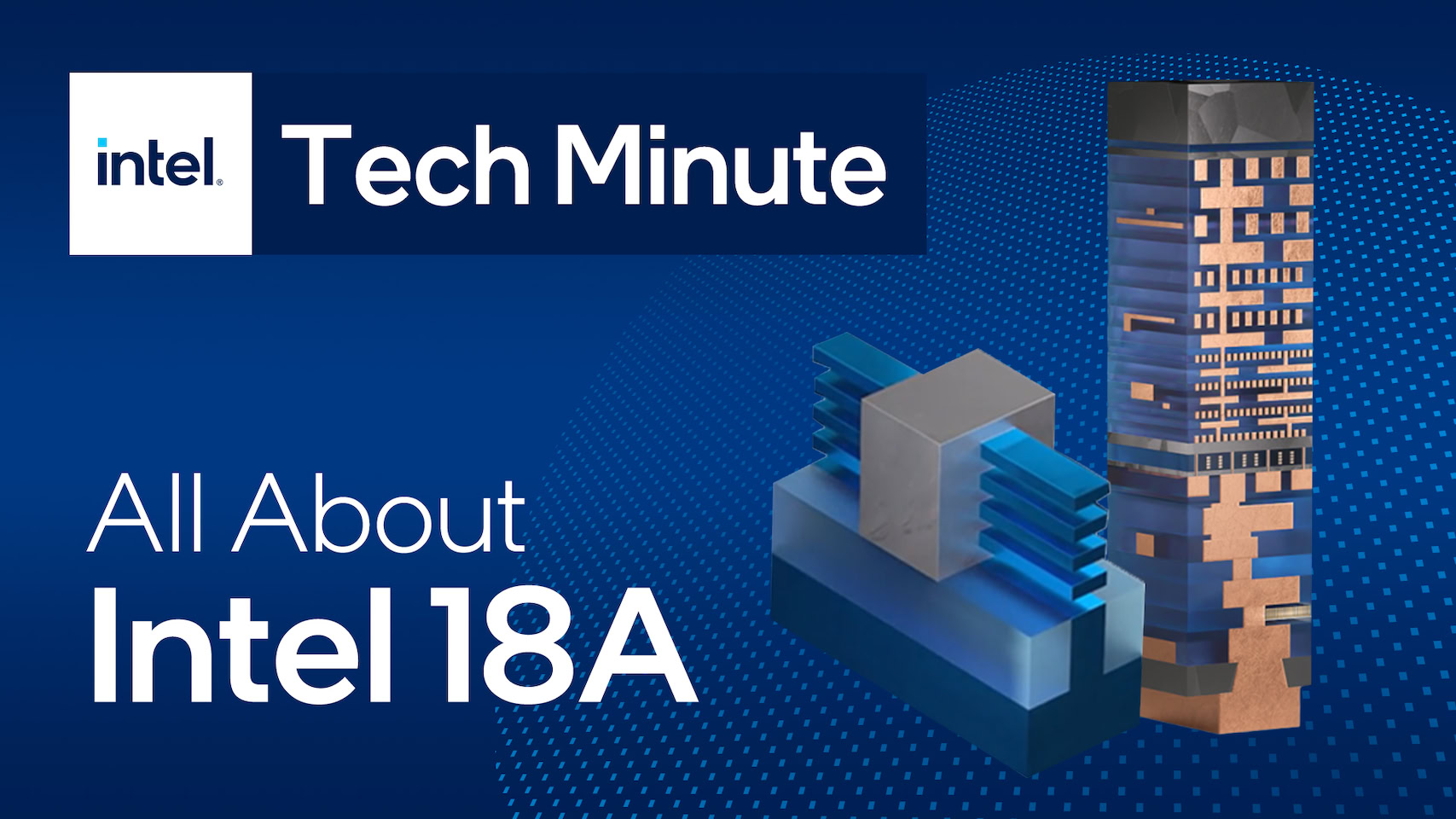
Intel Achieves Stable Yields on 18A Process Node
Intel has successfully resolved the yield challenges that previously affected its advanced 18A process node, according to a recent report from BlueFin Research Partners. This milestone marks a significant step forward for Intel’s manufacturing capabilities, ensuring that high-volume production of the 18A node is now both economically viable and sustainable from a yield perspective.
Throughout the past year, Intel reported steady improvements in 18A yields, with monthly gains of approximately 7%. These improvements continued through the launch of the first 18A-based product, codenamed "Panther Lake." The latest updates indicate that Intel has now reached mature node defect rates, typically in the D0=0.1 to D0=0.2 range, suggesting a high level of manufacturing quality and consistency.
Manufacturing Capacity and Expansion Plans
Intel’s 18A node is currently manufactured at two primary facilities: Fab 52 in Phoenix, Arizona, and a site in Hillsboro, Oregon. Together, these fabs are producing around 30,000 wafers per month using the 18A process. This output is sufficient to meet the company’s current internal needs, including the production of "Panther Lake" processors. However, as Intel expands its product lineup, additional capacity will be required to support further internal demand.
To address future needs, Intel has initiated risk production of the 18A-P variant at its D1X facility in Oregon. Plans are in place to transfer 18A-P to Fab 62 for long-term, high-volume manufacturing. Early results from sample production on the upcoming 14A node are also promising. Intel intends to use the D1X fab for initial high-volume 14A production, with additional capacity planned at new sites in Ohio for subsequent manufacturing phases.
Roadmap for External Customers
For external foundry customers, Intel’s roadmap focuses on the 18A-P, 18A-PT, and the forthcoming 14A nodes. Risk production for the 14A node is scheduled to begin in 2028, with high-volume manufacturing targeted for 2029. These developments position Intel to offer advanced process technologies to both internal product teams and external partners, reinforcing its role as a leading semiconductor manufacturer.